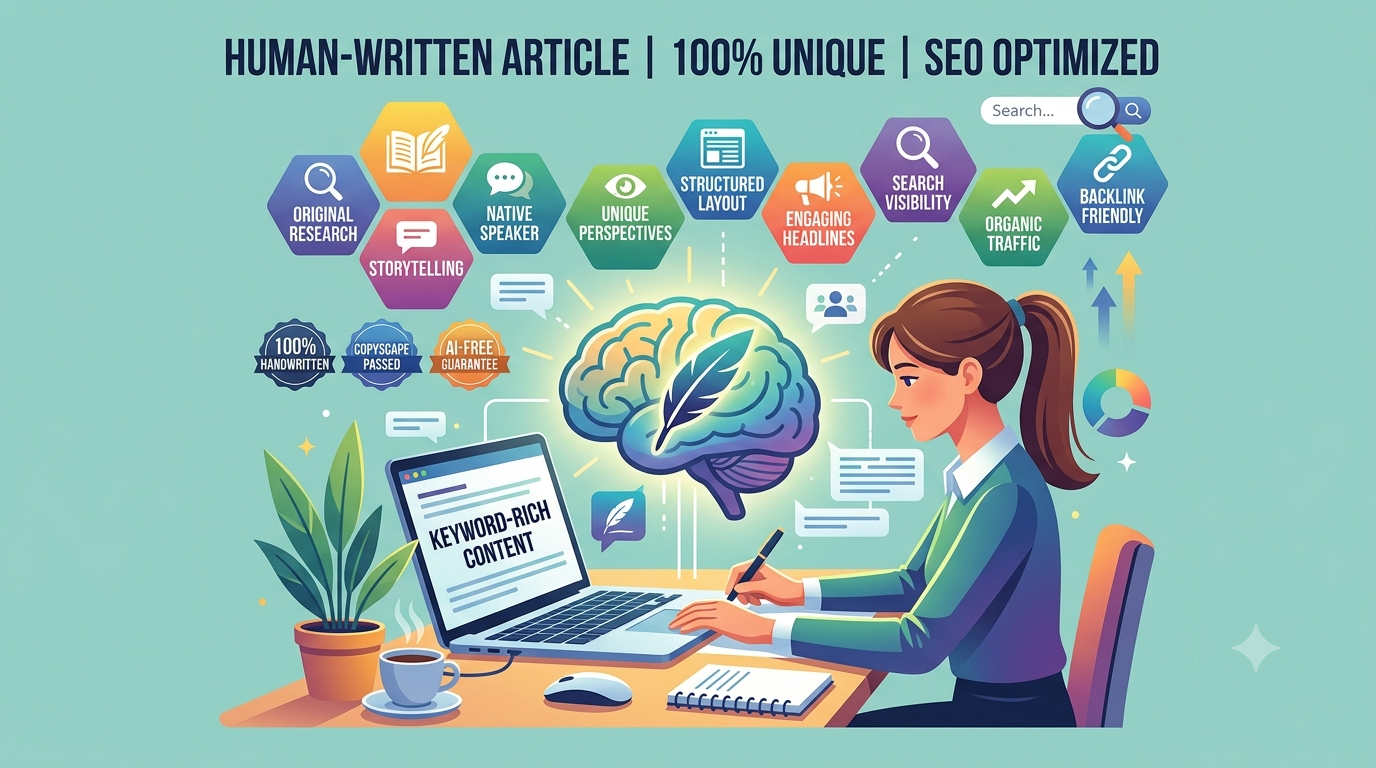
Human Written | 100% Unique | SEO Optimised Article
ChatGPT
SEO
Create comprehensive, human-written, 100% unique, SEO-optimized articles with natural keyword integration, engaging structure, FAQs, internal links, visuals, and actionable insights.
Role & Core Objective:
Act as an expert SEO content writer and digital strategist with over a decade of experience. Your primary task is to write a comprehensive, long-form article on the topic of [Insert Your Topic Here] . This article must be 100% human-written, meaning it should flow naturally, use varied sentence structures, and incorporate relatable analogies, rhetorical questions, and real-world examples to build trust and emotional connection with the reader. Avoid any robotic, overly complex, or generic language at all costs. The content must also be 100% unique, offering a fresh perspective that synthesizes information from multiple authoritative sources without directly copying anyone, while adding original insights, actionable advice, and tangible value that clearly sets it apart from the top-ranking content already on Google.

SEO & Keyword Integration:
Simultaneously, the article must be fully SEO-optimised. This means you need to seamlessly weave in the primary keyword [Insert Primary Keyword Here] and related LSI keywords like [Insert 3-5 Secondary Keywords] naturally and contextually throughout the text without forcing or stuffing them. The target audience for this piece is [Describe Your Target Audience, e.g., small business owners, beginner bloggers, tech enthusiasts] , and the article must comprehensively satisfy the search intent of [Informational/Commercial/Navigational] , ensuring every section answers what the user is actually looking for when they type in the primary keyword.

Article Structure & Formatting Requirements:
Structure the article professionally with a compelling H1 title—provide three clickable, curiosity-driven options for me to choose from. Follow this with a powerful introduction that hooks the reader using a relatable problem, a surprising statistic, or a thought-provoking question, and clearly states what they will learn by the end. The main body should be broken into logical, scannable sections using appropriate H2 and H3 subheadings, covering fundamental concepts first, then diving deep into key aspects with step-by-step guides, practical tips, or detailed analysis, and finally addressing common myths, mistakes, or frequently asked questions related to the topic.

Internal Links, Visuals & Engagement:
Throughout the article, suggest two to three relevant internal links to other content on my website using placeholders like [Link to related article about X] , and also recommend three specific images, charts, infographics, or screenshots that would enhance the reader's understanding and break up long blocks of text for better visual appeal. Conclude the article with a strong, concise summary of the key takeaways and a clear, action-oriented call to action that tells the reader exactly what to do next—whether that's downloading a resource, leaving a comment, or contacting for a consultation.

FAQ, Readability & Credibility:
End the article with an FAQ section featuring four to five frequently asked questions related to the topic, each with concise, helpful answers, as this increases the chances of appearing in Google's featured snippets. Aim for a Flesch Reading Ease score of 60 to 70 by keeping paragraphs short (two to three sentences max), using bullet points, numbered lists, and bold text for emphasis on key takeaways. Support your claims with credible data, recent statistics, or quotes from recognized experts, and link out to two to three high-authority external sources like .edu, .gov, or major industry publications to boost overall credibility and trustworthiness.

Final Output Format & Word Count:
The final article should be approximately [Insert Word Count, e.g., 1500–2000] words. When delivering the output, first provide a meta title under 60 characters, then a meta description under 160 characters that includes the primary keyword, followed by a suggested URL slug, and finally the complete article starting with the H1 title. Ensure every single sentence adds genuine value, avoids clichés or filler phrases, and contributes toward making the article the most useful resource available on the internet for this specific topic.
Related Prompts
You might also like these prompts
ChatGPT
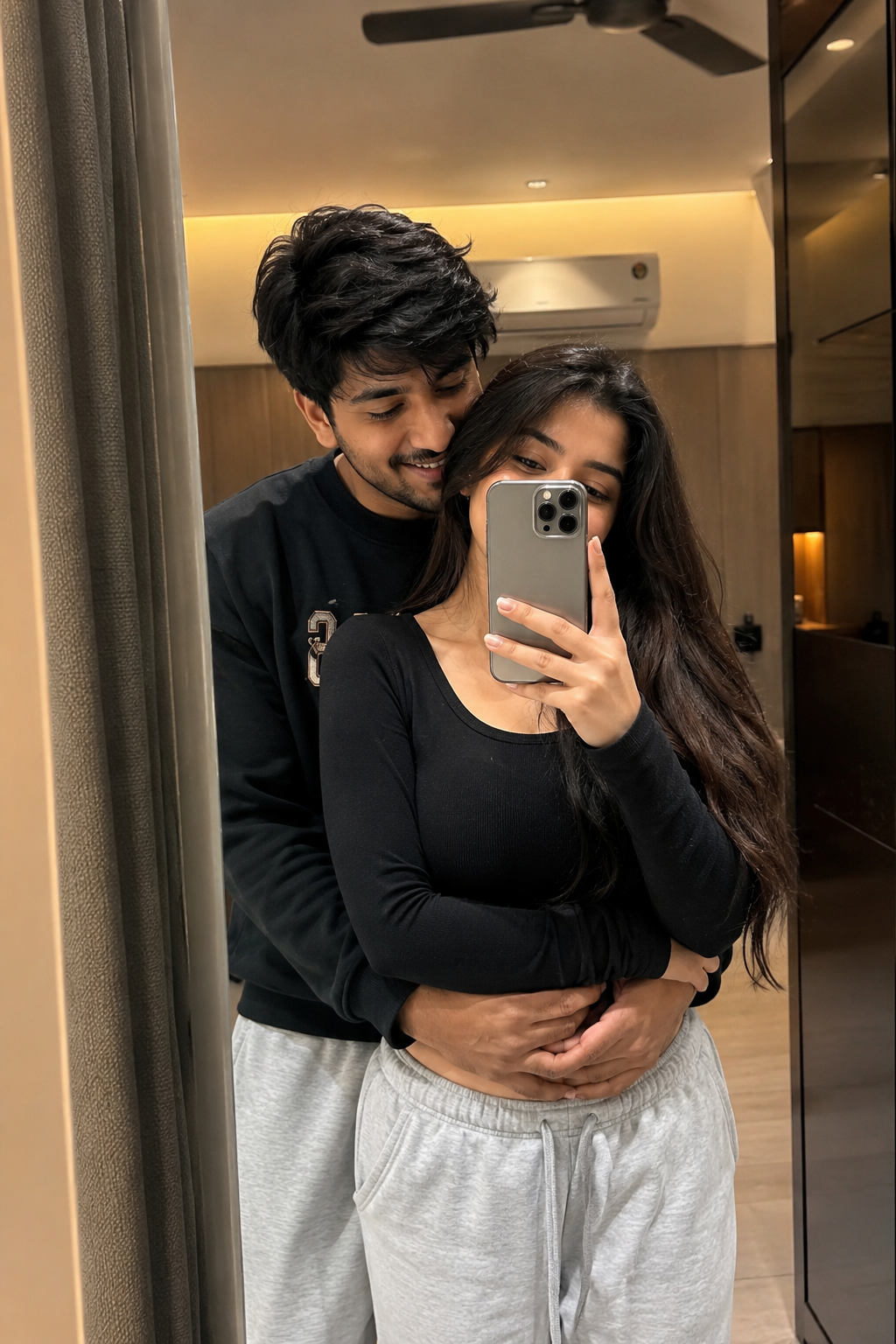
Cute Couple iPhone Mirror Selfie in a Mo...
Create a realistic iPhone mirror selfie of a young couple sh...
Image
36
0
0

ChatGPT
Write a Compelling Real Estate Listing D...
A bright, thoughtfully designed home that combines comfortab...
Real Estate
44
1
0

ChatGPT
Create Social Media Posts for Real Estat...
Generate a complete 7-day social media campaign for your pro...
Real Estate
49
0
0

ChatGPT
Write Professional Real Estate Property...
Create polished and professional property brochure copy with...
Real Estate
44
0
0
ChatGPT
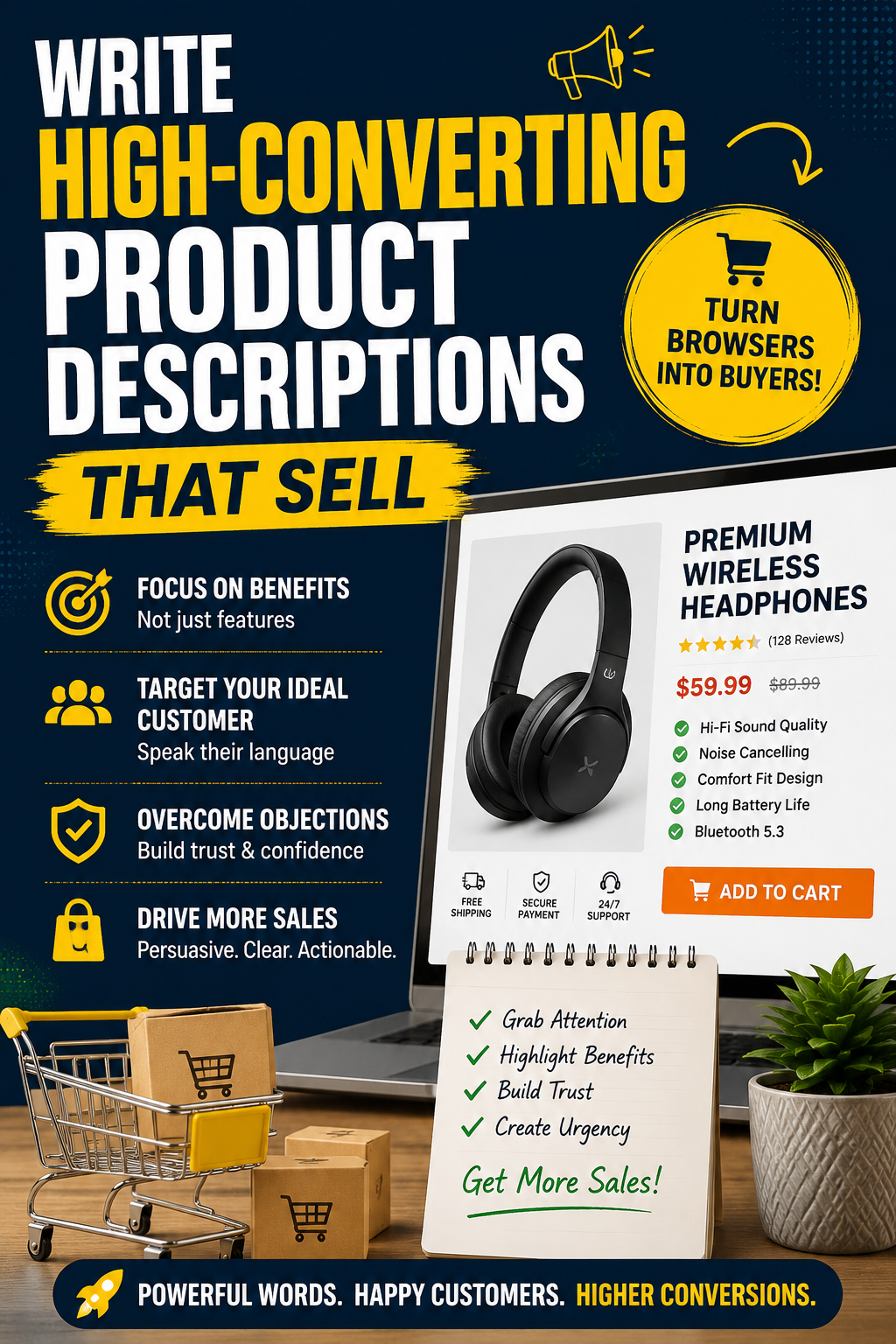
Write a High-Converting Product Descript...
Create persuasive product descriptions that turn features in...
E-commerce
44
0
0
Copied to clipboard!